On Grief

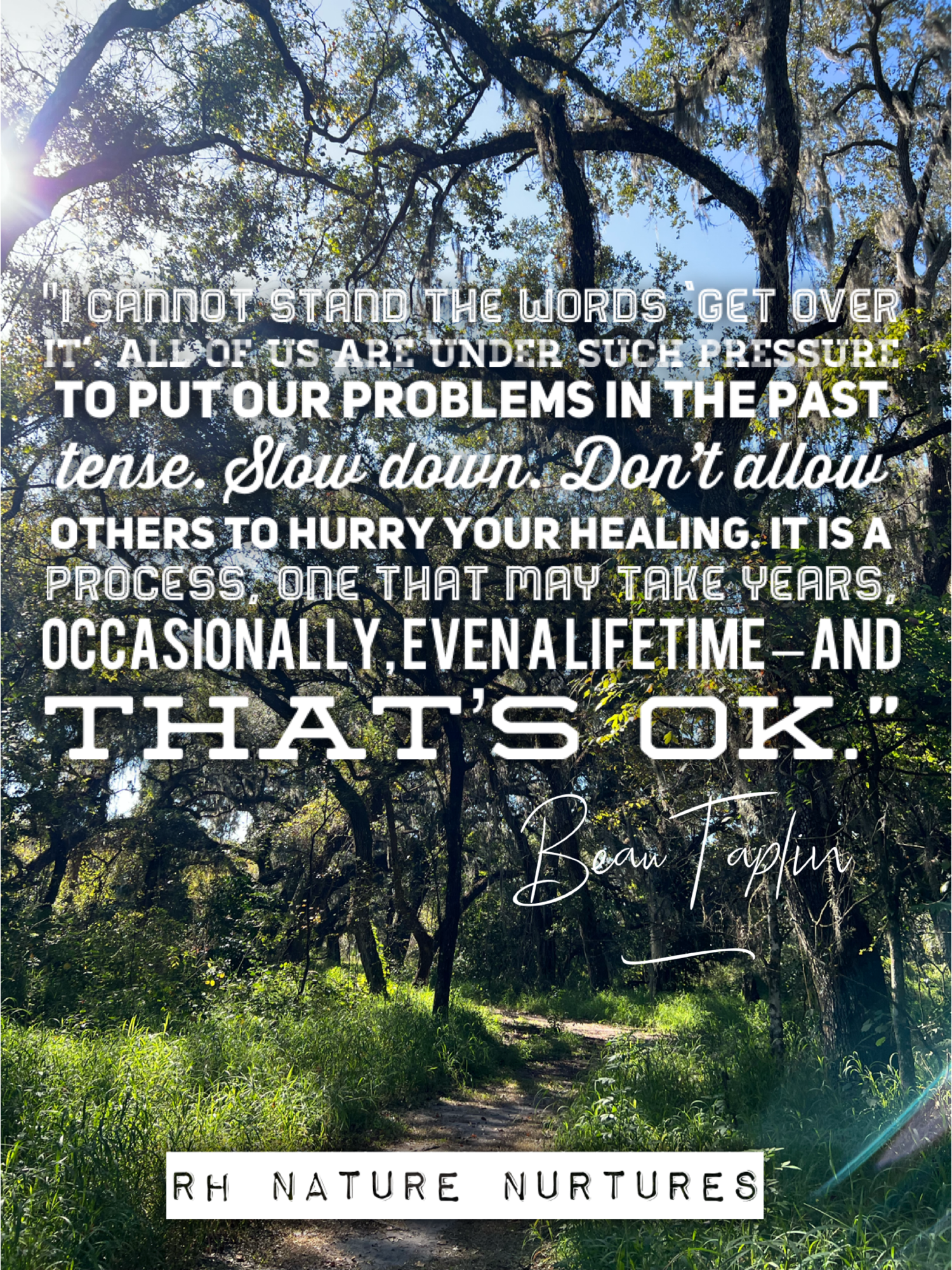
Grief is a very personal thing, whether it’s grief over losing a loved one, or losing an opportunity, or a change in life status… whatever it may be. There are certain things that people often say to somebody who is experiencing a loss, and many of these things are simply not helpful.

“They’re in a better place.” This is a very dismissive thing to say. It minimizes the person’s loss and makes it feel unimportant. Not only that, what if the person doesn’t believe in an afterlife at all? This could lead to a very awkward exchange and will certainly not help your grieving friend.

“Time heals all wounds.” Does it? How much time? Who’s to say how long this process should take? It’s different for everyone. Some people mourn a loss for the rest of their lives.

“I understand.” You don’t. Everybody processes grief in their own way. You may think you understand because you’ve been through a similar situation. But you don’t share the same life experiences, traumas, background, culture, beliefs, etc.

“Be strong.” Allow people to feel their feelings, for as long as they need to do so. There’s strength in being able to cry and show emotion, and this should be honored.

“Be grateful for the time you had.” This can make a person feel guilty for being sad about the loss. They are likely very grateful for the time they had. That shouldn’t minimize the pain they feel today.

You should never minimize somebody’s pain or sadness. You don’t need to fix it. You just need to acknowledge it and be supportive. Help to honor the memory of the lost loved. Encourage the person to talk about him or her. Don’t be scared to mention their names. Sometimes just being present is all that is needed. Sit with a sad person and let them share in whatever way they choose or just sit quietly and let your presence be a comfort. Offer practical help. Bring meals, run errands, clean up for them, take care of tasks they are struggling with.

Lastly, keep the lines of communication open. Don’t avoid people just because you don’t know what to say or how to behave around them now. If you’re struggling, tell them. Don’t just ignore or abandon them. That’s the worst thing you could do.

Loss is never easy. But with loving support, it can be just a little bit more bearable. If you have suggestions on how somebody could support you in a time of loss, please share in the comments.

On Mindfulness

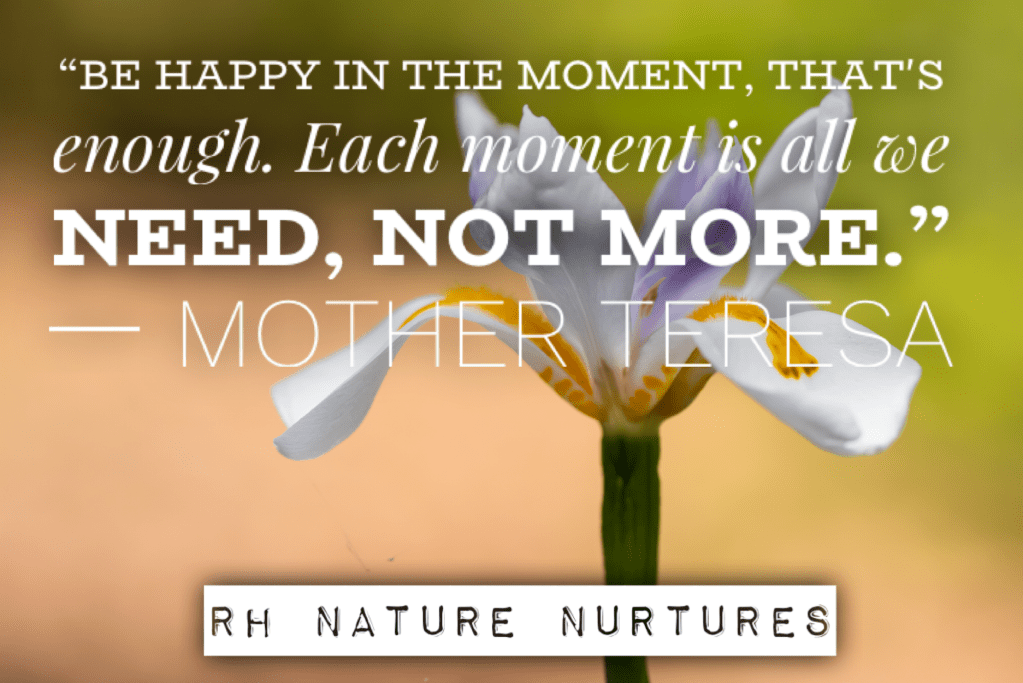
What is mindfulness, and why should you care? Mindfulness is a state of mind. It happens when you’re living in the moment. You aren’t worried about what happened yesterday or what might happen tomorrow. You’re sensing everything that is happening right now.

You’re observing. You could be observing your physical surroundings or observing that which is present in your own mind. The key here is that you’re observing without judging. Your thoughts are allowed to come and go without you deciding whether they are good thoughts or bad thoughts. They’re just thoughts. You’re not worried about why you’re thinking that particular thought. It’s just there. And that’s okay! You’re not trying to change anything. You’re simply being observant.

Why should you care about mindfulness? Because it will bring you a tremendous sense of peace and clarity. It will help ease your mind and soothe your anxiety. It will make life a little more bearable when it feels overwhelming. You don’t have to worry so much about tomorrow. Sure, have goals. Make plans. But then let it happen as it will. You can only control so much. And if you can’t control something, what’s the use in worrying about it?

It will also help you to be able to accept other people where they are. You can’t change people. You can only change your reaction to them and to the things they do. What do you have control of? Imagine there’s a hula hoop on the floor and you’re standing in the middle of it. You can control only what’s inside that hula hoop. That is all! People will be people and will do the things they do, no matter what you say. And to think differently is just to cause yourself frustration and perhaps anger toward that person. Mindfulness helps ease judgement. And when you’re accepting people and things where they are, you will find peace.

How and why do mindfulness activities help? They help stop that monkey mind that you have been trying so hard to control. They help ease your thoughts and cause you to settle down and relax. They activate your parasympathetic nervous system, which is the opposite of your sympathetic nervous system. Parasympathetic is your rest and digest system, whereas sympathetic is your fight or flight system. More on this in another post soon! It’s a fascinating topic.

What can you do to be mindful today? Pay attention when you’re washing your hands. What does the water feel like? How does the soap smell? Be present when you’re doing every day, perhaps mundane tasks. Google mindfulness activities and see if something catches your attention. I posted earlier about making mandalas. This is a fantastic mindfulness exercise that helps center you and soothe your inner monkey. Have fun with it! Let me know how it goes!

On Toxic Positivity

How does it make you feel when you’re having a rough time and somebody tells you to just be positive, everything will be all right? Do you agree that just changing your mindset with make all of your problems go away? Or if you act happy and positive, you won’t feel sad and negative?

I always tell people to feel their feelings. This is so important for good mental health! Burying your difficulties won’t make them go away. It will just make it harder to dig them back up to deal with them. And deal with them, you must. If you try to pretend they don’t exist, they’ll silently eat away at you and cause all sorts of problems.   

Denying your feelings and forcing yourself to feel positive when you feel anything but is called toxic positivity. It’s okay to acknowledge that sometimes life is just hard. Sometimes we get frustrated and sad. That’s normal and we need to allow those feelings to come and go without judging them as “bad.” They just are. They’re just feelings. They don’t define us.

Does this mean that optimism and gratitude are bad things? Absolutely not! It’s great to try to maintain a positive outlook, just not at the expense of suppressing your other emotions. So how can you find balance? One way is to keep two journals. In the first one, you record your difficult thoughts and feelings, and in the second, you only record your gratitude. Even if you just write one thing down that you’re grateful for when you’re done journaling your other thoughts, it can really help you to maintain a positive outlook, while still feeling and expressing your feelings. As with most things, it’s all about balance.

How Can You Help?

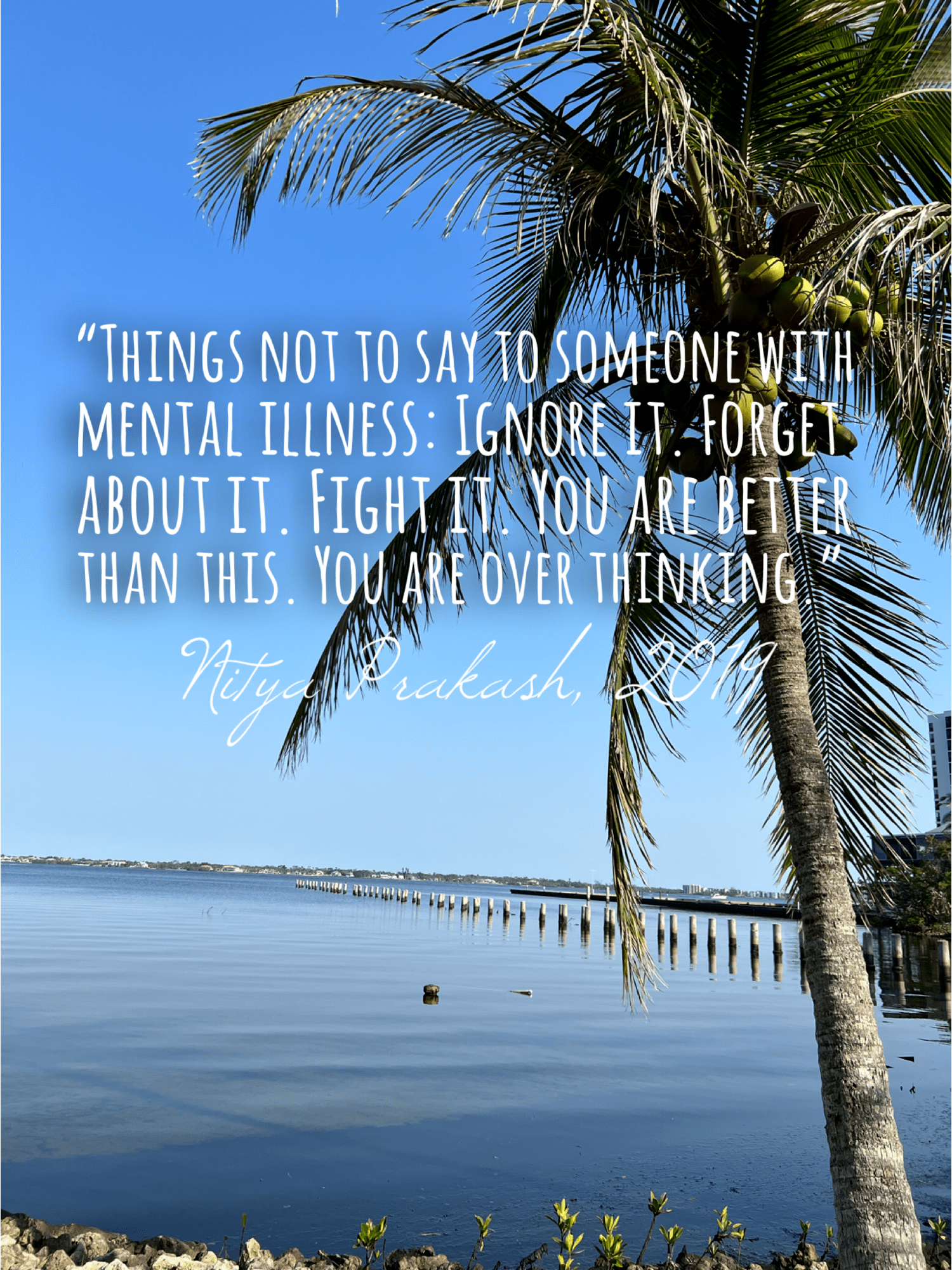
What should you say to somebody who is battling a mental illness, particularly a depressive disorder? A lot of times, our first instinct may be to tell them to cheer up. To remind them of all the happy things in their lives, all of the reasons they have to not be depressed. What this requires is an understanding of what depression is, and what it isn’t.

Oftentimes, people who are struggling with depression don’t feel sad. They feel numb. Some describe it as feeling nothing at all. And very frequently, it’s a chemical imbalance causing the symptoms and has little to nothing to do with the person’s current life situation. Sometimes a depressive episode can seemingly come out of nowhere. When a person asks, “Why are you so sad, your life is so good?” it not only invalidates the person’s feelings, it can cause shame and guilt. Depressed people feel these things enough without having other people place these emotions on them.

Depression can be so many things. It’s a loss of enjoyment of things that used to bring great happiness. It’s a feeling of hopelessness and helplessness. It’s not wanting to practice basic hygienic care – bathing, brushing teeth, and getting dressed can all feel exhausting. It’s eating too much or too little. It’s wanting to sleep all the time or not being able to sleep at all. It’s feeling worthless and burdensome. Sometimes it’s crying for hours at a time. Other times it’s the opposite of that, and just staring off into space, feeling a whole lot of nothing. Depression can look very different for different people, but one commonality remains. People who are depressed need love and support, especially when they’re pushing people away and possibly seeming difficult to love.

So how can you support a depressed person? What can you do to help them not want to push you away? First, realize that if somebody is talking about hurting themselves or others, it is imperative that you encourage the person to seek immediate help. The suicide and crisis lifeline is always available by calling 988. If the person is depressed, but not suicidal, the best thing you can do is simply be there for them. Don’t just say it, show it by actively showing up, checking in, and being present. You don’t have to talk. In fact, sometimes it’s better not to! Simply being there, sitting beside the person, showing that you really mean it when you say you’ll be there for them, is a huge help. Offer to listen, but don’t push. They’ll open up if they’re ready. Offer to help them clean their house or do laundry or other chores. Offer to ride along or drive them to complete errands they’ve been putting off. Try to encourage them to get out and go for a walk in nature. Take them out to eat. Send them small, thoughtful, humorous gifts – even it it’s just a meme. Check in often, but don’t over-do it. And if they push you away, tell them you’re still going to check in on them once a day via text or a phone call – whatever they’ll agree to. Keep it simple and lighthearted. Just a quick, “Hi. Just thinking of you.” is often enough to remind the person that they matter. What not to do? Never try to force them to talk. Don’t try to compare and tell them you know how they feel or you’ve been there, because everybody who experiences depression does so in their own way. Definitely do not tell them to cheer up or get over it. That’s one of the least helpful things you can do. Validate their feelings. Encourage healthy behaviors like attending a class or going for a walk or going to a yoga class, etc. by modeling and inviting them along. Don’t get frustrated when they decline, and don’t stop offering. Tell them it’s okay to say no, don’t make them feel guilty. Realize that you cannot “fix” somebody who is depressed. Love them where they are. Lastly, don’t feel like you must help the person on your own.

Encourage him or her to reach out to a professional who can assist in their treatment. It is not your job to try to help them get better. Your job is just to love them and accept them where they are. Set boundaries as appropriate. I’ll cover that more in another post. And don’t forget to take care of yourself too! You can’t pour from an empty cup.

You’re Worth It!

It is so important to take care of your mental health because it truly does affect every part of your life. It not only affects how you feel, but it can also affect your physical health. You do not have to have been diagnosed with a mental health disorder to work toward better mental health. It’s about self-care and self-love. It’s about taking time to do the things that make you feel better emotionally and mentally.

Little things can make such a big difference in your life. Create a bedtime routine and do the necessary things to ensure you get enough sleep. Get out and go for a walk. Enjoy time in nature. Create a gratitude journal to focus on the positive in your life. Eat healthy foods at regular intervals. Keep your living space clean and tidy. Drink enough water. Spend time on hobbies that bring you enjoyment for no other reason than just to have fun and relax.

It might seem like a lot of work, but if you choose one thing at a time to focus on, it really can make a huge difference in your life. Take the time to prioritize your mental health. You’re worth it!

You Are Not Your Diagnosis

It can feel like our diagnoses or our struggles define us. They label us. But that’s not the case. Having a name for your mental health struggles simply helps you to understand what is happening to you and learn how to make it better. This does not define you. You are so much more complex than that!

What makes you, you? Take some time to think about this today. Maybe journal about it. Think about the things you love, everything you do, everything you have been through, everything you have learned, all the places you have been, the people you have known. Consider your hobbies, your passions, your beliefs and actions. Where does your heart come alive? What makes you smile? This is who you are. You are so much more than a diagnosis!

Talk about It

Did you know that one in four Americans suffer from some kind of diagnosable mental disorder? That’s about 25% of all American adults. A lot of these people suffer from multiple disorders. Often, depressive disorders co-occur with substance use disorders and anxiety disorders.

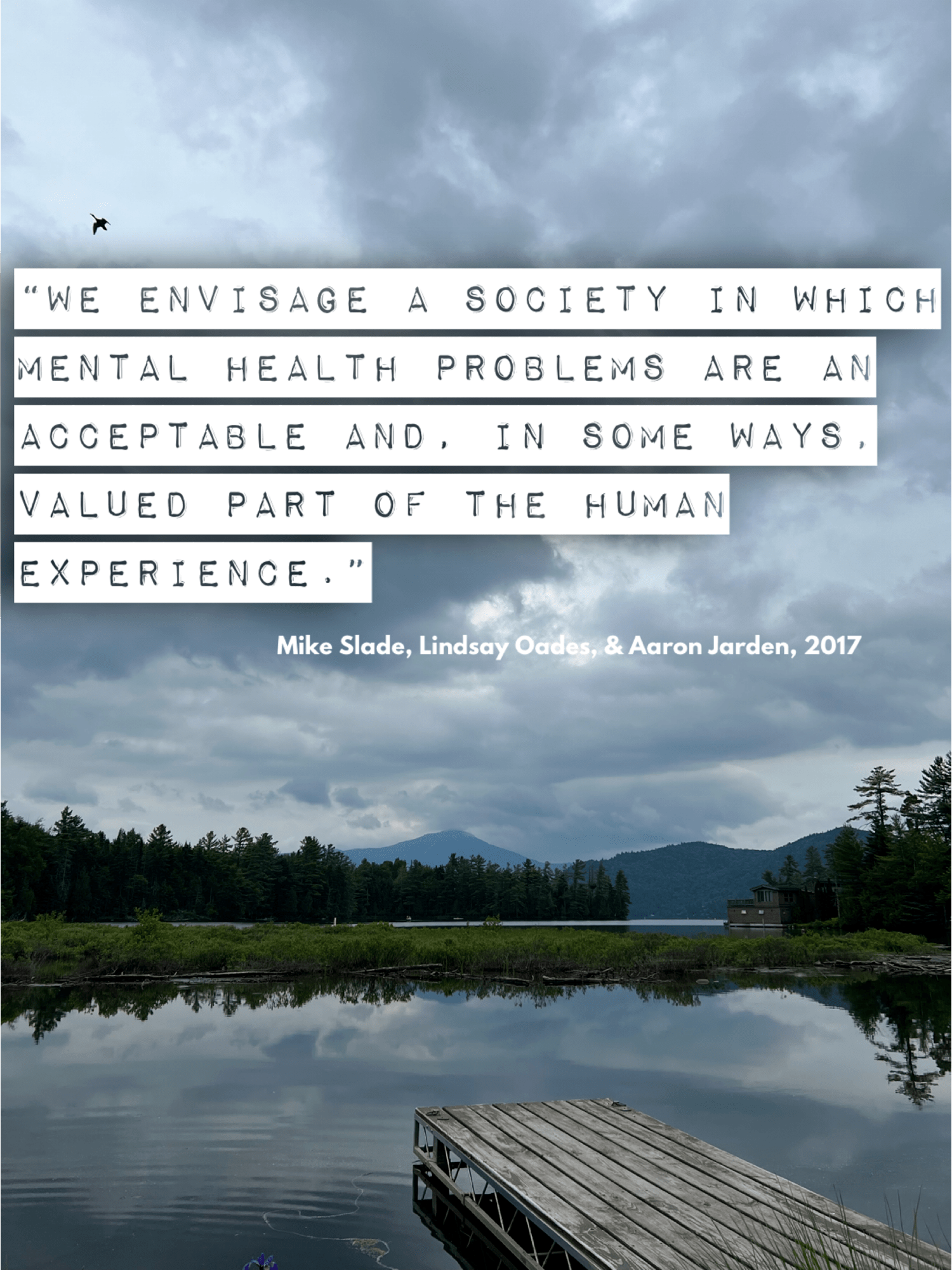
About 18% of adults have an anxiety disorder. These could include phobias, generalized anxiety disorder, obsessive-compulsive disorder, and post-traumatic stress disorder. What does all of this mean? Mental health struggles are part of the human experience. If you’re not personally suffering, odds are you know at least several people who are, even though many people hide it very well.

What if, instead of having to hide it, it became an acceptable thing to talk about, in much the same way heart disease and other common ailments are okay to talk about? Do you think that would help people feel a little less alone? A little less shamed about experiencing these difficulties? It’s hard enough to deal with struggles with mental health.

The stigma that’s placed on people who suffer only makes the problem worse. When people feel embarrassed or ashamed of their illness, they’re less likely to seek help. So, they suffer longer and oftentimes needlessly. Help is available and can be extremely effective. I would challenge you to embrace mental disorders as part of what makes humans human. It’s part of a lot of people’s experience.

Mental illness doesn’t define a person, but it is certainly a part of who they are. If we are to embrace and love those around us, we need to accept that they might have these additional struggles and perhaps have a little more grace and understanding for those around us.